
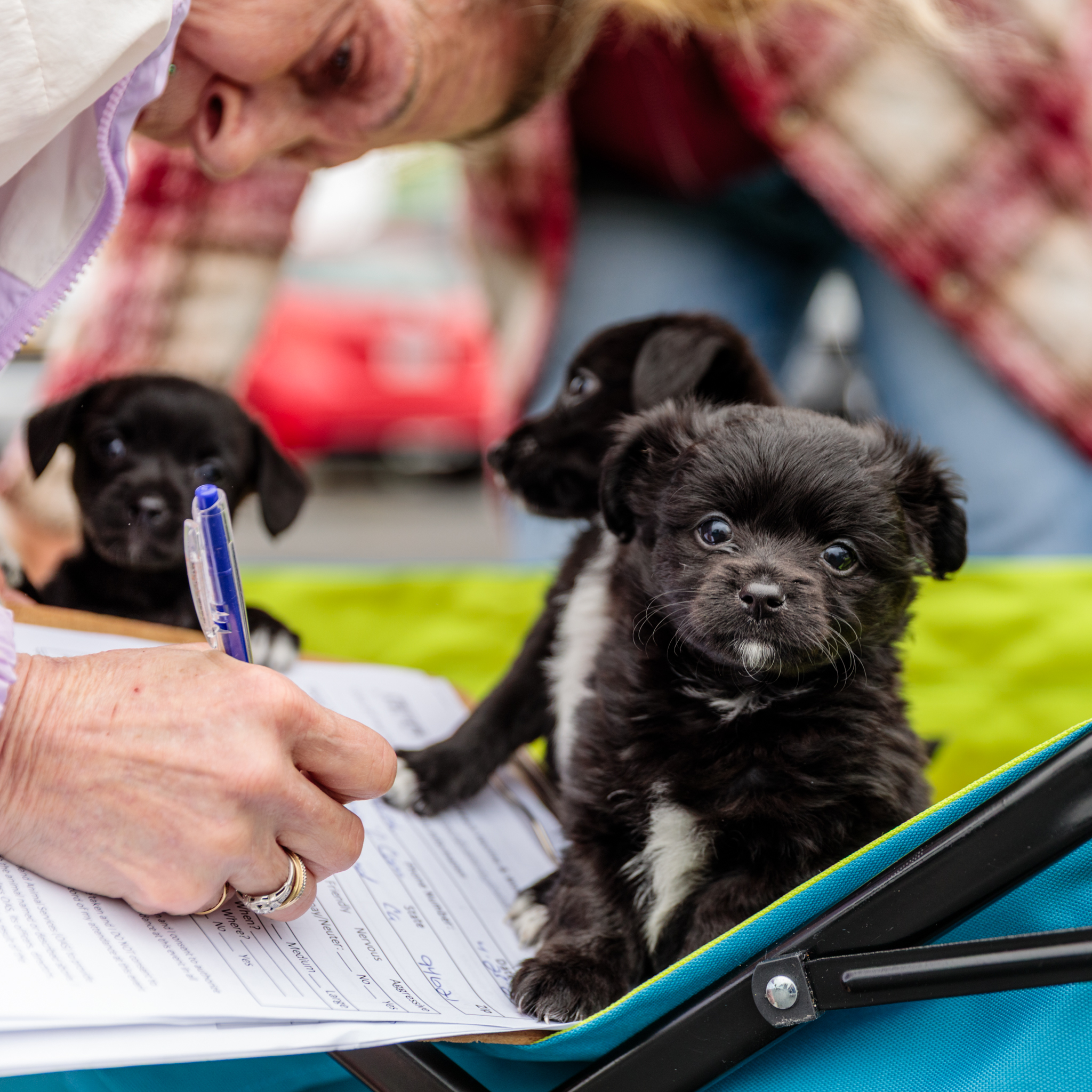
Community Needs Assessments
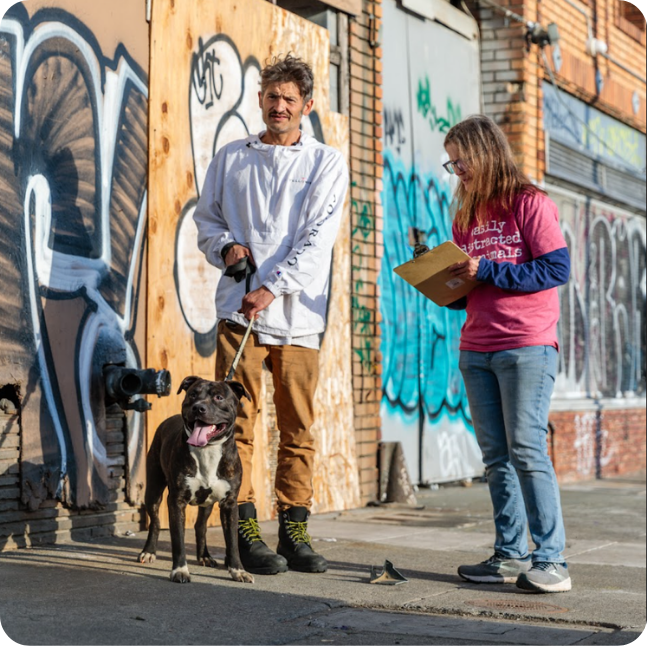
Build stronger strategies by listening to the community you serve
A community needs assessment is a systematic process for identifying the needs, priorities, strengths, and gaps within a community. Public health and community planning frameworks describe this process as comprehensive data collection and analysis used to understand community issues and guide future planning.
For animal shelters, municipal animal services, and animal welfare organizations, a community needs assessment helps answer a critical question: What does this community actually need from its animal services system?
Rather than relying on internal assumptions, organizations can use a community needs assessment to gather information directly from residents, stakeholders, organizational leaders, and available data sources. This helps organizations direct resources where they are most needed, strengthen partnerships, and ensure community members have a meaningful voice in shaping local animal services.
Why Community Needs Assessments Matter
A community needs assessment may explore residents’ experiences with animal-related services and resources, including challenges accessing veterinary care, spay/neuter services, pet retention support, surrender prevention resources, lost and found services, community cat programs, transportation, language access, and trust in local animal services.
When incorporated into planning and decision-making, assessment findings can help organizations:
- Better align services with community priorities
- Identify gaps in access to pet care and animal-related resources
- Strengthen collaboration with local agencies, nonprofits, veterinarians, and community partners
- Incorporate perspectives of residents who may not typically be included in planning conversations
- Build stronger trust between animal services and the community

JVR Strategies’ Research-Based Approach
JVR Strategies takes a thorough, research-based approach to community needs assessments. We combine qualitative and quantitative data to help organizations move from observation to strategy. Every community is different.
That is why our process is not one-size-fits-all. We tailor each assessment to the local context, community demographics, organizational goals, and the specific challenges facing animals and people in that area.
Our approach helps organizations understand both the numbers and the lived experiences behind them.
Components of Our Community Needs Assessment Process May Include:
- Demographic and Community Data Review
- Shelter and Animal Services Data Analysis
- Stakeholder Identification
- Community Surveys (Multilingual)
- Individual Interviews and Community Conversations
- Focus Groups
- Diverse Representation and Equity-Focused Analysis
Turn Community Input Into Strategy
A community needs assessment is not just about collecting information. It is about turning that information into action. JVR Strategies helps organizations interpret findings, identify priorities, and connect community input to strategic planning. The final results can inform program development, resource allocation, staffing priorities, outreach strategies, grant proposals, partnership development, and long-term organizational planning.

Services We Offer
JVR Strategies offers two levels of support for community needs assessments:
Full-Service Community Needs Assessment
JVR can lead the full assessment process, including research design, data collection tools, stakeholder engagement, surveys, interviews, focus groups, data analysis, and strategic recommendations.
Expert Guidance and Coaching
For organizations that want to conduct their own assessment, JVR can provide expert guidance on where to begin, what data to collect, how to structure surveys and interviews, and how to translate findings into meaningful strategy.
Build a Strategy Rooted in Community Voice
Animal welfare organizations are most effective when their strategies reflect the real needs, strengths, and priorities of the communities they serve. A community needs assessment provides the foundation for more responsive programs, stronger partnerships, and better outcomes for both animals and people.
Ready to better understand your community’s needs?
Connect with JVR Strategies to learn how we can support your community needs assessment and strategic planning process.
Start building a strategy grounded in your community.
Why Choose Us?
Shelter Medicine Expertise
Led by a veterinarian board-certified in Shelter Medicine, we bring unparalleled insights into animal health within shelter environments.
Global Experience
Our global experience across diverse shelter environments equips us with a broad perspective on innovative solutions and best practices in animal welfare.
Customized Solutions
We tailor our services to meet your unique challenges and needs, ensuring effectiveness whether you operate a large or small, municipal or private shelter.
Community-Focused
We excel in conducting thorough community assessments, ensuring your services align perfectly with local needs today and into the future.
Outcome-Driven
Our planning and designs significantly boost operational workflow and efficiency, empowering your team to dedicate more time to what truly matters—enhancing the lives of animals.
Featured Work and Expert Insights
Explore a collection of curated resources, insights, and featured projects showcasing our commitment to excellence in Research and Innovation. Empower your organization with proven strategies and forward-thinking solutions.
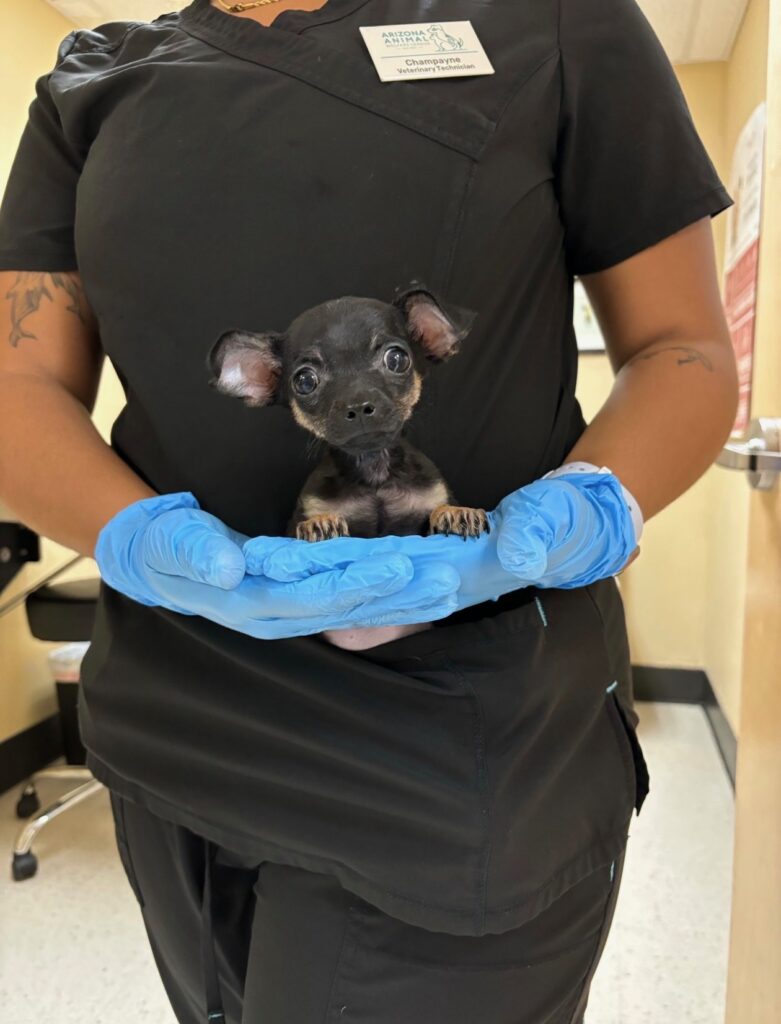
Bridging Gaps in Veterinary Care: A Case Study in Cultural Inclusion and Community Engagement
JVR Strategies was proud to support this research in partnership with the Arizona Animal Welfare League (AAWL) and funded by Maddie’s Fund—bringing strategic guidance to a process rooted in culturally competent service design.
List of Canine Breeding-Related References with Annotated Bibliography
Dynamic bibliography of peer-reviewed scientific articles on commercial canine breeding, sourced from PubMed, with select annotated summaries.

Gaps in Scientific Research Related to Canine-Breeding Considerations
Highlights scientist-identified research gaps in canine breeding considerations, drawn from JVR’s reference list, to spotlight priority areas for future study.